
Light Red Meranti
Light Red Meranti
| Technical Details (Light Red Meranti) | Value | Unit | |
| Density | 480 | kg/m³ | |
| Janka Hardness Test | 2460 | N | 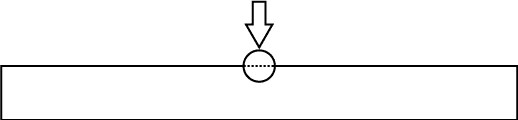 |
| Bending Strength | 77.3 | MPa |  |
| Modulus of Elasticity | 11.39 | GPa |  |
| Compressive Strength | 42.2 | MPa |  |
| Radial Swelling / Shrinkage | 4.1 | % | |
| Tangential Swelling / Shrinkage | 7.8 | % | |
| Volumetric Swelling / Shrinkage | 12.6 | % |
Color / Appearance
The color can vary greatly depending on the species, ranging from straw/light brown to darker reddish-brown.
Grain / Texture
The wood has a coarse texture with medium to large pores. The grain is sometimes twisted.
Decay Resistance
Reported as non-durable in terms of rot resistance and also susceptible to insect attacks.
Odor
No characteristic odor.
Allergies / Toxicity During Processing
Although severe reactions are rare, Meranti (genus Shorea) has been reported to cause irritation to eyes, throat, and skin.
Price / Availability
Meranti is widely harvested and available worldwide. It has a moderate price even when imported.
Sustainability
Meranti is not listed in the CITES appendices, but many Shorea species are on the IUCN Red List. Most Shorea species are critically endangered due to an over 80% population decline in the last three generations, caused by habitat loss and overexploitation.
*Information sourced from Wood Database.